





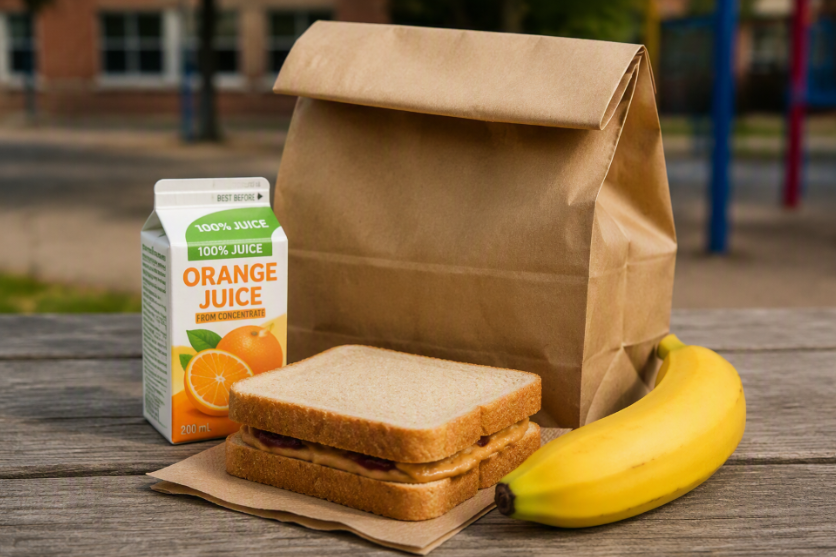
Canadian families could see higher prices on several common lunchbox items this fall, according to a new report from the Agri-Food Analytics Lab at Dalhousie University.
The report, developed in partnership with GroceryPulse.ca, tracks grocery pricing trends and forecasts food costs for September through December. Researchers examined 45 grocery items commonly found in school lunches and household shopping carts.
Some grocery categories showing stability
Sylvain Charlebois, Director of the Agri-Food Analytics Lab at Dalhousie University, says produce has been one of the brighter spots in recent months, helping offset pressure in other categories.
RELATED STORIES:
- Local women's group host show n' shine to fill backpacks for kids
- Starting university can be stressful: Professor shares ways students can cope
- Manitoba renews K-12 health and physical education curriculum
While some items such as bananas and carrots have experienced recent increases, Charlebois notes bakery, dairy and frozen food categories have generally remained manageable. Animal proteins, however, continue to face inflationary pressures.
Looking ahead to the fall, the report forecasts higher prices for several products frequently used in school lunches.
Chicken, tuna and tomatoes among products to watch
Chicken cuts including thighs and whole birds are expected to rise, while canned proteins such as tuna could also become more expensive. In the produce aisle, tomatoes, carrots and oranges are projected to face upward pricing pressure. Peanut butter and romaine lettuce are also expected to cost more by the end of the year.
Researchers also compared the cost of a representative school lunch basket across major Canadian cities.
According to the report, the most expensive school lunch basket was found in St. John's at $56.48, while Quebec City was the lowest at $52.05. Prairie cities landed in the middle of the national rankings, with Winnipeg at $54.14, Saskatoon at $53.27, Edmonton at $53.06 and Calgary at $52.83.
Charlebois says the difference between the most expensive and least expensive school lunch baskets in Canada is about 8.5 per cent, indicating that location can still have a meaningful impact on grocery costs for families.
Flexibility remains key for shoppers
Charlebois encourages consumers to remain flexible when planning meals and shopping for groceries.
He recommends rotating between different protein sources, including meat, canned products and plant-based alternatives such as hummus and tofu. He also advises shoppers to focus on produce that is on promotion and substitute items when prices spike.
Charlebois says rising food costs continue to strain household budgets across the country, highlighting the importance of school nutrition and food support programs.
He notes food insecurity affects Canadians of all ages and says ensuring children have access to nutritious meals remains critical as families navigate ongoing affordability challenges.



 Sat, Aug 29, 10:00 AM


 Manufacturing, Skilled Trades, Full-time
 Featured