





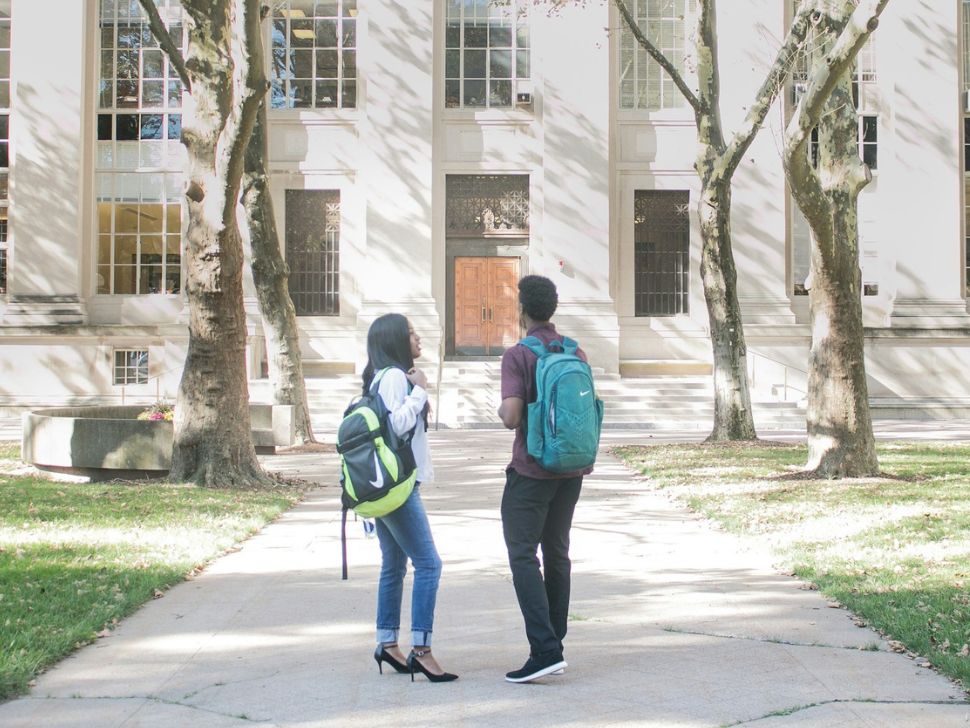
One of the biggest life transitions for a person is going from high school to university or college. That's why a professor from the University of Manitoba is shedding light on how this transition affects a young person's mental health and some tools to help.
"It's a really pivotal age when students are transitioning," says Dr. Kristin Reynolds, Professor and Director of Clinical Training in the Department of Psychology at the University of Manitoba (U of M). "They might be relocating to a home or a new city, and then being away from friends and family, perhaps for the first time. There are many things to juggle."
Reynolds shares that this transition can have a big impact on students' mental health, even those who are initially very excited for this next step in life.
"There are hormonal changes and learning new ways to take care of oneself in a more independent than they've known before. There are lots of exciting things to navigate but also lots of challenges too."
RELATED STORIES:
- Manitoba basketball community mourns loss of Jeff Laping
- Big community turnout helps make shoe giveaway a success
- Motorcycle group helps children reclaim confidence after abuse
A big change that can affect mental health
While many grade 11 and 12 students in high school gain the necessary credits to apply for college and university, as well as prepare to make the change, it can still be an overwhelming transition.
"Rates of stress, anxiety, and depression among first-year university students can be high. They're faced with new learning demands, new classroom settings than they've been used to, and perhaps navigating this without their social support network. Stress can be high."
Welcome week at post-secondary educational institutes is often filled with excitement and energy. Reynolds says she's often seen that after the excitement dies down and the students are in the middle of their first semester, that is when the mental strain can set in.
Supports in place for students
"It is wonderful to know that there are supports out there. Certainly at the University of Manitoba, there is a wonderful student counselling centre. There are lots of different student advocacy supports."
Reynolds shares she encourages students to get connected to different clubs their university offers, including whatever they are most passionate about.
"It can take awhile to find a place or a service that people can fit, but it is such an important part to find where you fit in a college or university and build that network of support. That'll help you get through those stressful times."
Parents can also help their students in the transition by being available and curious, according to Reynolds.
"If parents can be a listening ear and check in, the answers might not be what parents want to hear. Just being there and having your kid know that you are there for them, cheering for them, that's going to help them get through. If we can, as parents, focus more on process rather than outcome, as in 'What are you learning? ' or 'Teach me something,' all of those questions about process, show you love them."



 Sat, Aug 29, 10:00 AM


 Manufacturing, Skilled Trades, Full-time
 Featured